Music
“Music is a universal language that embodies one of the highest forms of creativity. A high quality music education should engage and inspire pupils to develop a love of music and their talent as musicians, and so increase their self-confidence, creativity and sense of achievement. .” (National Curriculum 2014).
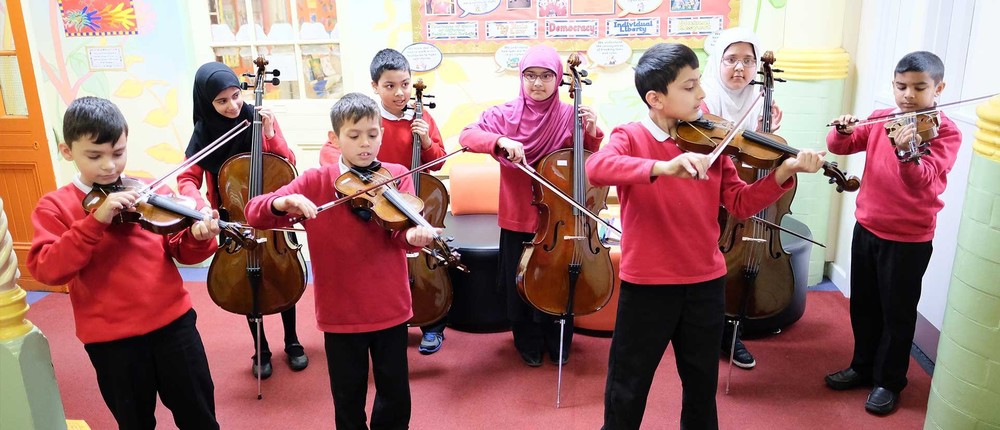
At Redhill primary school we aim to deliver an exciting music curriculum through opportunities for children to listen to and appraise music, sing, play instruments, compose and perform together.
We follow the Charanga Musical School Scheme. This provides us with engaging lessons and resources that promotes an integrated, practical, exploratory and child-led approach to musical learning. Please see our year group pages for videos and information about our learning.
As a school we love to sing together! All the children in the school attend a singing assembly that is held every Wednesday which consists of learning and practicing a variety of songs.
In December our children are always very proud when showcasing performances. Check out our Christmas performances below.
INTENT: At Redhill we want all children to experience music within our broad and balanced curriculum. We believe that music builds confidence and helps children express themselves. We want our children to develop a love of music and have opportunities to play musical instruments and to sing and to perform in their classes and as a school.
RIGHTS: Our aim at Redhill is to respect and promote the rights of children through the teaching of Music:
· Article 13 (freedom of expression). Every child must be free to express their thoughts and opinions and to access all kinds of information, as long as it is within the law.
· Article 15 (freedom of association). Every child has the right to meet with other children and to join groups and organisations, as long as this does not stop other people from enjoying their rights.
Article 28 (right to education). Every child has the right to an education. Primary education must be free and different forms of secondary education must be available to every child. Discipline in schools must respect children’s dignity and their rights. Richer countries must help poorer countries achieve this.
· Article 29 (goals of education). Education must develop every child’s personality, talents and abilities to the full. It must encourage the child’s respect for human rights, as well as respect for their parents, their own and other cultures, and the environment.
· Article 31 (leisure, play and culture). Every child has the right to relax, play and take part in a wide range of cultural and artistic activities.
Year 6
Year 5
Year 4
Year 3
Year 2
Year 1
Reception